
Susanna Feng



36 views

| Picture | Part Number | Manufacturer | Stock | Action |
|---|---|---|---|---|
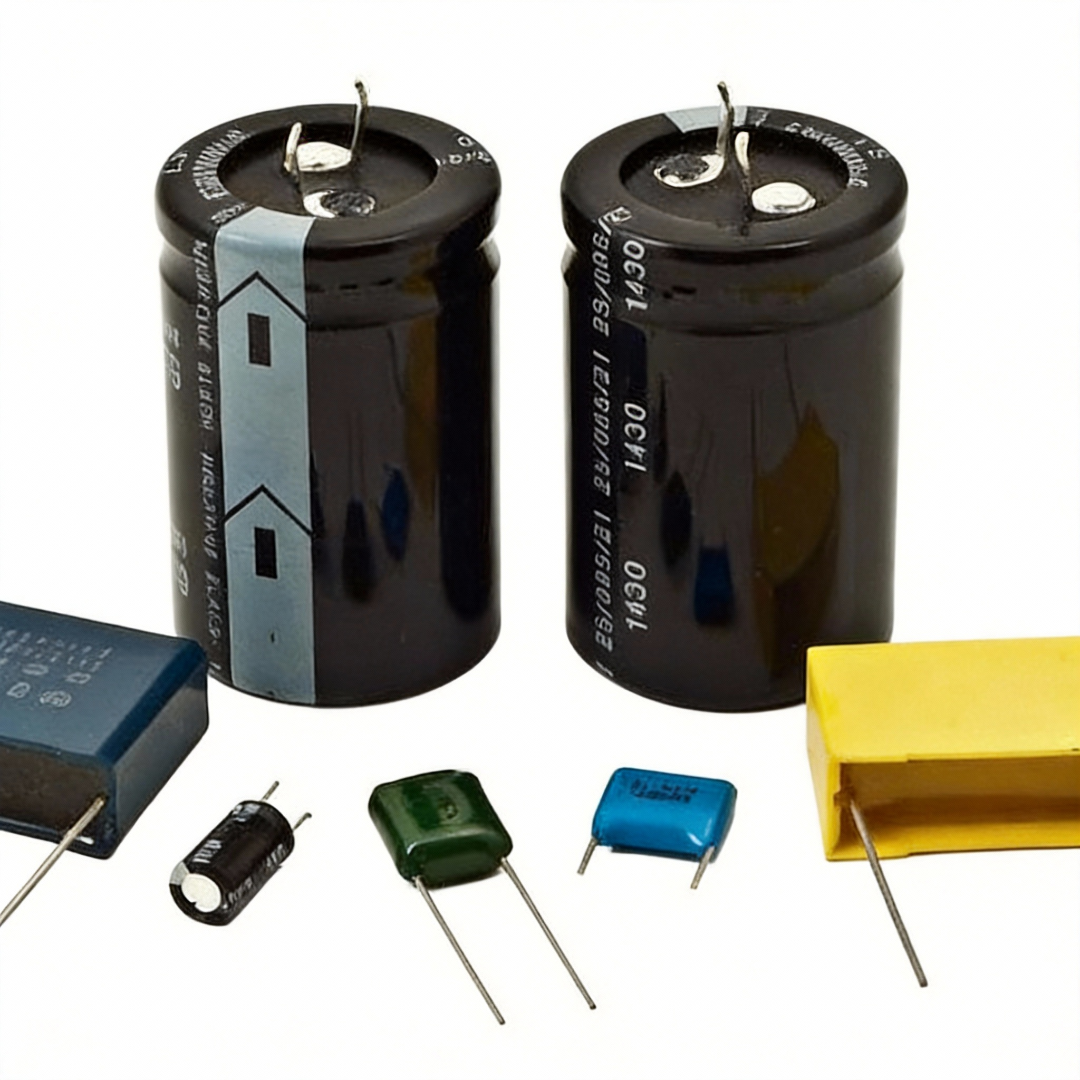 | GRM216R71H102KA01D | Murata | 4,840 | |
| GRM216R71H102KA01J | Murata | 5,280 |
No. It establishes context only to the extent that the report’s product group, manufacturer, customer channel, and time period match the order being considered. Obtain a current quotation for the full code and compare it with a previous offer on equivalent terms.
The reviewed reference sheet places D and J in the same base specification and assigns different reel sizes and quantities. A purchasing or manufacturing approval is still needed where the BOM controls the full code. Verify the current documentation and actual offered packaging before substitution.
Document age alone does not answer that question. It does make the evidence boundary clear: the sheet supports historical technical identification, while current lifecycle, supply, and approved purchasing conditions require additional records.
GRM216R71H102KA01D is a Murata 1000 pF, 50 V, X7R MLCC documented in an 0805 package. Its sourcing assessment should begin with that identity and a current, traceable quotation. Broad MLCC market reports can guide the questions buyers ask, but they cannot establish this exact part’s price, lifecycle status, or availability. The useful comparison separates market segment, technical approval, reel packaging, and the conditions attached to an actual offer.
MLCC purchasing discussions in September 2026 should not rely on a first-quarter report as though it describes today’s conditions. On February 5, TrendForce described a split between strong high-end AI demand and weaker traditional consumer demand. That report provided a segment-level explanation, rather than a price schedule for every capacitor. TrendForce, February 5, 2026.
The public summary of TrendForce’s August 31 report described a changed picture: SEMCO had raised prices to OEMs and ODMs, high-capacitance, low-voltage parts faced pressure from AI infrastructure demand, and Murata and Taiyo Yuden remained cautious on pricing. This is the publicly available summary, not the paid report’s underlying price dataset. It supports asking suppliers for updated quotations; it does not establish a Murata-wide increase or a quotation for GRM216R71H102KA01D. TrendForce, MLCC Price Aug. 2026.
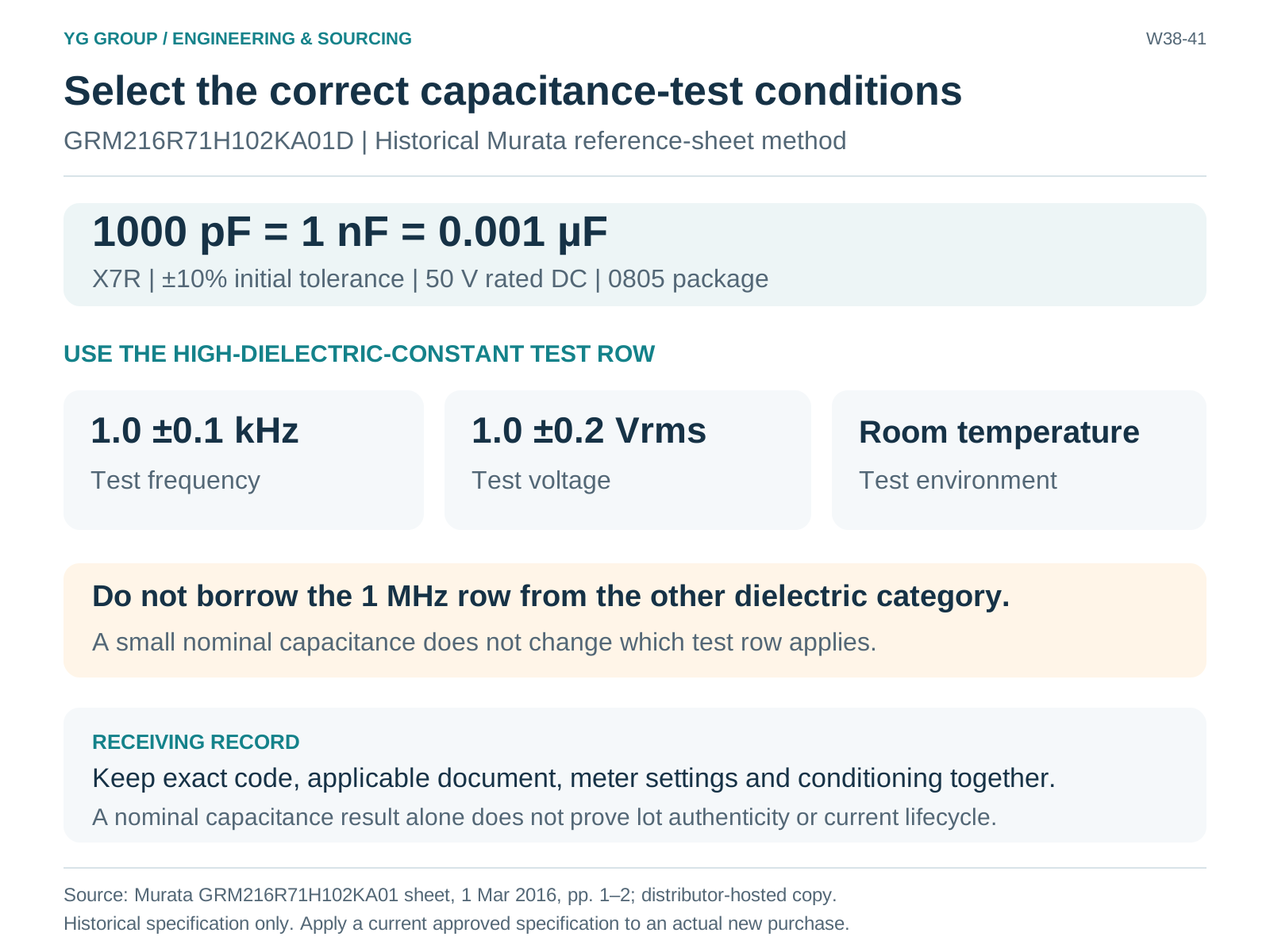
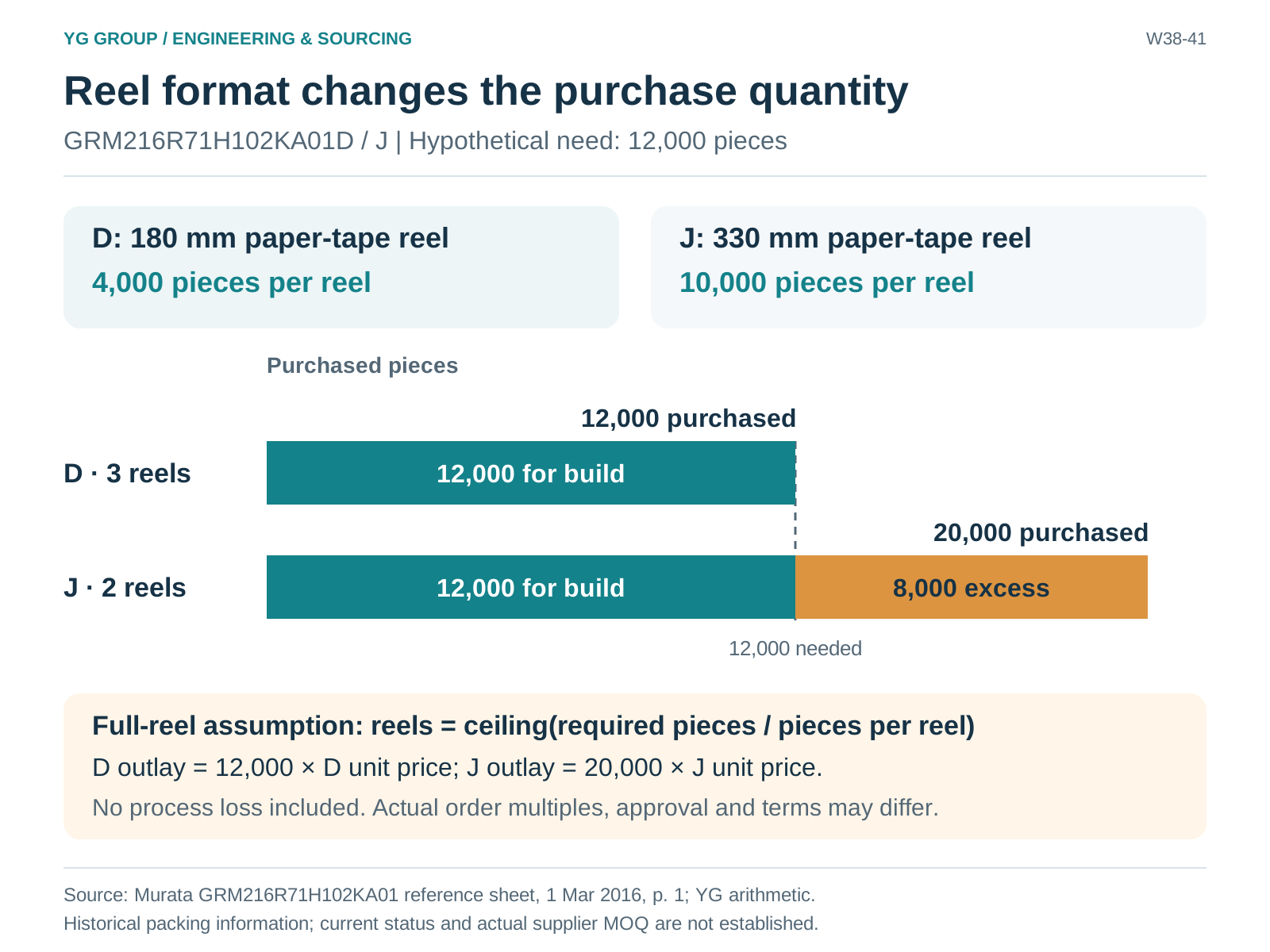
**Figure 1. Select the correct capacitance-test conditions.** Historical Murata March 1, 2016 reference-sheet conditions, compiled by YG Group from pages 1–2. The source is manufacturer-authored and distributor-hosted. The conditions support comparison with that revision, not current lifecycle, authenticity, an approved replacement or acceptance of a new purchase without the applicable approved specification. Sources: [supporting source 1](https://www.mouser.com/datasheet/2/281/1/GRM216R71H102KA01_01-3155975.pdf). **Figure 2. Reel format changes the purchase quantity.** Hypothetical full-reel purchasing example calculated by YG Group, excluding process losses. D/J packing quantities come from Murata’s March 1, 2016 historical reference sheet, page 1, in a distributor-hosted copy. This is not current stock, lifecycle, MOQ or substitution approval. Sources: [supporting source 1](https://www.mouser.com/datasheet/2/281/1/GRM216R71H102KA01_01-3155975.pdf).No. Review the actual voltage waveform, temperature, capacitance requirement, and mounting conditions. The document’s voltage-proof and endurance tests are qualification conditions; they are not permission to operate continuously above the rated voltage.
A buyer can use both dated observations without treating them as contradictory. Markets change, manufacturers respond differently, and the product group being discussed matters. The error is carrying a percentage, shortage claim, or direction of change from one group directly into an unrelated order line.
For this part, even the capacitance scale deserves attention. 1000 pF equals 1 nF, or 0.001 µF. That is not the high-capacitance category described in the August summary. This unit conversion does not prove that the part is easy to obtain. It shows why a high-capacitance market headline is insufficient evidence for its supply position.
The Murata reference sheet reviewed for this article is dated March 1, 2016. It covers the base designation GRM216R71H102KA01 followed by a packaging code. Its first page supplies the following identification data. The sheet is a historical technical reference; it does not establish that the exact ordering code remains in production in September 2026. Murata itself directs readers to consult the approval sheet before ordering. Murata reference sheet, page 1, distributor-hosted copy.
| Field | Historical specification | Procurement significance |
|---|---|---|
| Manufacturer | Murata | Manufacturer name belongs on the order line and supporting documents |
| Exact primary designation | GRM216R71H102KA01D | Preserve the final D; do not shorten the purchasing code |
| Nominal capacitance | 1000 pF | Normalize units before comparing quotations |
| Initial tolerance | ±10% | A nominal-value match alone is insufficient |
| Rated DC voltage | 50 V | Must cover the actual electrical stress under the applicable conditions |
| Temperature characteristic | X7R, ±15% over −55°C to +125°C relative to 25°C under the specified no-bias test | Not a guarantee of total in-circuit capacitance variation |
| Body size | 0805; 2.0 ±0.1 × 1.25 ±0.1 × 0.6 ±0.1 mm | Check height as well as nominal footprint |
| Primary packaging | D: 180 mm paper-tape reel, 4,000 pieces | Relevant to reel count, feeder setup, and residual inventory |
The electrical table in the reference sheet distinguishes high-dielectric-constant capacitors from temperature-compensating types. For this 1000 pF X7R device, the relevant capacitance measurement condition is 1.0 ±0.1 kHz and 1.0 ±0.2 Vrms at room temperature. The 1 MHz condition elsewhere in that table belongs to a different dielectric category; choosing it simply because the capacitance is small would apply the wrong test row. Murata reference sheet, page 2.
Incoming inspection should therefore record the meter settings and applicable method. A discrepancy measured under different frequency, signal level, or conditioning is a reason to investigate the procedure before declaring a lot defective. Conversely, a satisfactory nominal capacitance reading is not enough to authenticate the manufacturer or approve a substitute.
A useful sourcing review maintains four records. Each answers a different question, and none can replace the others.
| Record | Question it answers | Evidence to retain |
|---|---|---|
| Market context | Why are we reviewing this item now? | Dated analyst report, relevant segment, and a short explanation of applicability |
| Technical approval | Does the exact capacitor meet the circuit and assembly requirements? | Approved specification, engineering review, and validation results for the application |
| Product status | What is the manufacturer’s current position on this ordering code? | Current manufacturer confirmation and any relevant change or discontinuance notice |
| Commercial offer | What can this supplier deliver under this quotation? | Exact code, lot information, quantity, price basis, dates, packaging, and written terms |
This structure makes uncertainty visible. For example, the technical record may be complete while the current product-status record is still open. A supplier may have a traceable offer for existing material without demonstrating ongoing factory production. Those are different statements and should remain different in the purchasing decision.
The current manufacturer lifecycle status of GRM216R71H102KA01D was not established by the historical sheet used here. An archived PDF remaining downloadable is not evidence of current manufacture. A prudent order review requests current status explicitly rather than inferring it from the age of a document or the existence of a sales listing.
GRM216R71H102KA01J appears in the same historical reference-sheet group. The listed distinction is packaging: the J option uses a 330 mm paper-tape reel holding 10,000 pieces, compared with 4,000 on the D option’s 180 mm reel. That establishes a relationship within this sheet, not blanket authorization to change an approved BOM or accept an undocumented reel. Murata reference sheet, page 1.
Consider a purely illustrative build requiring 12,000 capacitors, assuming purchases must be made in complete reels and ignoring process losses:
| Packaging option | Pieces per reel | Whole reels needed | Purchased quantity | Quantity beyond the build |
|---|---|---|---|---|
| D | 4,000 | 3 | 12,000 | 0 |
| J | 10,000 | 2 | 20,000 | 8,000 |
These are calculated quantities, not a statement about current stock or minimum order quantities. A supplier offering cut tape, partial reels, or different contractual order multiples changes the calculation. Production also needs to account for feeder leaders, attrition, and any approved service reserve.
Under the stated assumptions, the purchase totals are 12,000 × the D unit price and 20,000 × the J unit price. A lower J unit price need not produce a lower cash outlay or a better result once excess inventory is included. At another build quantity, the comparison can reverse. The decision should use the actual order multiple and consumption plan.
A packaging change also has operational consequences. Confirm reel acceptance on the assembly line, label traceability after any repacking, and the BOM system’s handling of the approved purchasing suffix. Similar electrical specifications do not make those details disappear.
The reviewed 2016 document recommends storage at 5°C to 40°C and 20% to 70% relative humidity, avoiding condensation and harmful atmospheres. Its storage section calls for use within six months and confirmation of solderability before use after that interval. It does not expressly define the starting point of that six-month interval. These are the instructions in the reviewed revision; a current approved specification should determine the instructions applied to a new purchase. Murata reference sheet, page 12.
A date code alone cannot reconstruct storage conditions. For older material, request the available storage and packaging history, and agree on the inspection evidence appropriate to the application. Avoid inventing a universal age threshold that automatically accepts or rejects every ceramic capacitor. The relevant questions include what the manufacturer’s applicable documentation requires and whether the lot still meets the approved assembly and electrical criteria.
Mechanical handling also matters. The sheet explains how board bending, excessive solder, depaneling, and assembly forces can crack ceramic capacitors. A passed receiving check does not validate the later assembly process. If a purchasing change involves repacking or a different production site, engineering and manufacturing should review the affected handling steps. Murata reference sheet, pages 15–22 and 25–28.
Before comparing two offers, put them on the same basis. Record the full manufacturer part number, offered quantity, order multiple, packaging condition, lot/date information, and the date through which the quotation remains valid. Identify whether the quoted delivery refers to material already held, an expected receipt, or a factory commitment supported by documentation.
Then resolve the engineering questions separately. For a proposed alternative, nominal capacitance and voltage are only the starting points. Package dimensions, temperature characteristic, tolerance, bias behavior, impedance at the relevant frequencies, termination system, and assembly compatibility can affect suitability. The historical GRM sheet contains general characteristic examples; those curves should not be presented as measured DC-bias retention or impedance for this exact 1000 pF part.
A useful review note states the decision and its supporting evidence. For example: “The offer matches the approved D ordering code and required reel format; current status confirmation remains outstanding.” That is more informative than “MLCC supply is tight, buy now,” because it identifies the unresolved condition without pretending that market commentary has resolved it.
There is no verified price, quantity available, delivery promise, or factory allocation for GRM216R71H102KA01D in this article. Those are properties of a dated offer and its supporting records, not permanent attributes that can be copied from a market report.
For GRM216R71H102KA01D, the durable approach is to retain the complete ordering identity, validate the 1000 pF X7R device against its application, and compare quotations with packaging and lot conditions visible. Dated MLCC reports explain why a review may be timely. The approved specification and the actual offer determine what can be purchased and used.
Author: Susanna Feng. Market information reviewed September 20, 2026.